
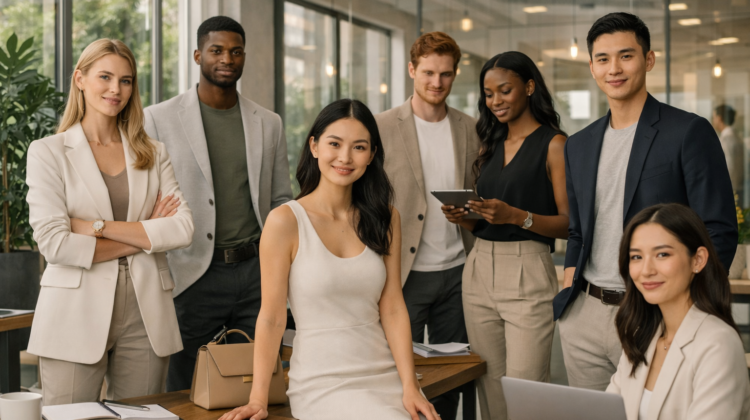
Introduction: Dressing for Success in a Changing Workplace
The modern workplace in 2026 looks nothing like it did a decade ago. Hybrid offices, remote meetings, global teams, and flexible dress codes have completely reshaped how professionals think about office wear. Yet one thing hasn’t changed: the way you dress still influences how you feel, how others perceive you, and even how confidently you perform at work. In fact, in today’s fast-evolving corporate world, your outfit has become less about rigid rules and more about personal branding.
Think about it—your first Zoom call in the morning or a spontaneous in-office meeting can set the tone for your entire day. Dressing well isn’t about expensive wardrobes anymore; it’s about smart choices, versatile pieces, and understanding how to balance comfort with authority. The good news is that looking polished and professional in 2026 doesn’t require a luxury budget. It requires awareness, strategy, and a bit of creativity.
The Rise of Modern Office Fashion in 2026
Office fashion has shifted dramatically from stiff suits and formal uniforms to a more fluid concept often called “adaptive professionalism.” This style blends comfort-driven clothing with structured elements that still maintain authority. The rise of tech companies, creative industries, and hybrid work culture has encouraged professionals to rethink what “formal” actually means.
In 2026, the strongest trend is intentional simplicity. Instead of overcomplicated outfits, professionals are choosing clean silhouettes, neutral tones, and high-quality basics that can be mixed and matched effortlessly. The focus is no longer on dressing up for hierarchy but dressing smartly for productivity and presence.
Even traditional industries like banking and law have softened their dress codes. While suits still exist, they are now more tailored, breathable, and flexible than ever before. The modern office wardrobe is no longer a uniform—it is a toolkit.
Building a Smart Foundation Wardrobe
A strong office wardrobe in 2026 starts with foundation pieces that work across multiple settings. Instead of chasing trends, professionals are investing in versatile clothing that transitions seamlessly from meetings to after-work events.
Well-fitted trousers in neutral shades like beige, navy, charcoal, and olive have become essential. These colors not only look refined but also pair effortlessly with different tops. Similarly, crisp shirts in breathable fabrics like cotton blends or bamboo fabric are now preferred over stiff formal shirts.
Blazers have also evolved significantly. Instead of heavy, structured jackets, lightweight unstructured blazers are now widely popular. They provide the same polished appearance without the discomfort, making them ideal for long working hours or travel-heavy schedules.
For women and men alike, minimalist knitwear has become a staple. Fine-knit sweaters, polo-style tops, and lightweight turtlenecks are now common in office environments, especially in colder seasons or air-conditioned workplaces.
The New Power Dressing: Subtle but Strong
Power dressing in 2026 is not about loud statements or overly formal suits. Instead, it is about subtle confidence. A well-fitted blazer over a simple top, paired with tailored trousers, can communicate authority more effectively than an overly decorated outfit.
Color psychology also plays a key role in modern office fashion. Deep blues, muted greens, and earthy tones are widely used to convey stability and trust. Meanwhile, soft pastels like powder blue or blush beige are used to project calmness and approachability.
Footwear has also become part of the power equation. Comfortable loafers, sleek sneakers, and minimalist heels are now replacing rigid formal shoes. The emphasis is on walking confidently without sacrificing comfort.
Smart Casual: The Dominant Office Trend of 2026
Smart casual has officially become the dominant office dress code across industries. It strikes the perfect balance between professional and relaxed, allowing individuals to express personality while maintaining workplace appropriateness.
For men, this often includes chinos paired with structured shirts or polo tees layered with lightweight jackets. For women, midi dresses, tailored jumpsuits, or coordinated sets have become go-to options. These outfits are not only stylish but also practical for long working hours.
One of the most interesting developments in smart casual fashion is the rise of “desk-to-dinner” outfits. Professionals now prefer clothing that transitions easily from office meetings to social gatherings without requiring a complete change of wardrobe. This shift reflects the fast-paced lifestyle of modern professionals who value efficiency as much as appearance.
Fabrics That Define Comfort and Elegance
In 2026, fabric innovation is playing a major role in office wear. People are no longer choosing clothes based solely on appearance; comfort and sustainability are equally important.
Breathable fabrics like organic cotton, linen blends, and performance textiles are in high demand. These materials allow better airflow, reduce discomfort during long hours, and maintain structure throughout the day. Wrinkle-resistant fabrics have also become extremely popular, especially among professionals who travel frequently or work across multiple environments.
Sustainable fashion is another strong influence. Eco-friendly materials and ethically produced clothing are no longer niche—they are mainstream. Many professionals now actively choose brands that prioritize environmental responsibility without compromising on style.
Accessories That Elevate Your Office Look
Accessories in 2026 are all about refinement rather than excess. Instead of bold or flashy pieces, professionals are opting for minimal yet impactful additions that complete their look.
A sleek wristwatch, a structured leather bag, or a subtle pair of earrings can significantly enhance an outfit without overwhelming it. Even tech accessories like smartwatches and premium earbuds are now considered part of office fashion, blending functionality with style.
Belts, scarves, and eyewear have also taken on a more refined aesthetic. The idea is to enhance personality without distracting from professionalism. Every accessory now serves a purpose, whether functional or aesthetic.
Gender-Neutral and Inclusive Office Fashion
One of the most important shifts in office wear is the rise of gender-neutral fashion. Clothing is increasingly designed to be inclusive, focusing on fit, comfort, and expression rather than traditional gender categories.
Oversized blazers, relaxed trousers, and neutral-toned shirts are now widely worn by all professionals regardless of gender. This shift reflects a broader cultural movement toward individuality and inclusivity in the workplace.
Brands are also expanding size ranges and creating adaptive clothing for people with different needs, making office fashion more accessible than ever before. This evolution shows that professionalism is no longer defined by rigid categories but by confidence and authenticity.
Seasonal Office Wear Adaptations
Seasonal dressing has also become more strategic in 2026. Professionals are building wardrobes that adapt to changing weather conditions without losing style consistency.
In warmer months, lightweight fabrics and breathable silhouettes dominate. Linen shirts, airy dresses, and relaxed trousers help maintain comfort while still looking professional. In colder months, layering becomes essential. Structured coats, knit layers, and thermal-friendly fabrics help maintain warmth without compromising appearance.
The key idea is adaptability. Instead of completely changing wardrobes every season, professionals now build flexible systems that allow easy layering and modification.
The Role of Technology in Office Fashion
Technology has quietly transformed how people choose and wear office clothing. AI-based styling tools now suggest outfit combinations based on weather, schedule, and even meeting type. Virtual try-ons help professionals visualize outfits before purchasing them, reducing fashion mistakes.
Smart fabrics are also emerging, with temperature-regulating materials and wrinkle-control technology becoming more common. These innovations are making office wear more functional than ever before, merging fashion with practical performance.
Even online shopping has become more personalized, with algorithms recommending office outfits based on individual preferences and work environments.
Conclusion: Dressing Smart in the Modern Workplace
Office wear in 2026 is no longer about strict rules or expensive labels. It is about smart choices, adaptability, and personal expression. The modern professional wardrobe is built on versatility, comfort, and quiet confidence rather than rigid formality.
Whether you are attending a high-level meeting, working remotely, or transitioning between hybrid spaces, your outfit plays a subtle but powerful role in shaping perception and performance. The best-dressed professionals today are not those who follow every trend, but those who understand their identity and express it through thoughtful clothing choices.
In the end, dressing well for work is not about impressing others—it is about feeling prepared for whatever the day brings.
Leave a Reply