
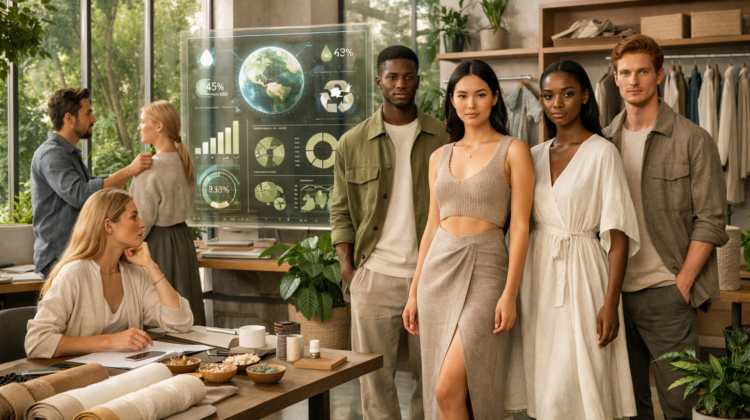
Fashion in 2026 is no longer just about looking good. It is about feeling responsible for what we wear, how it is made, and the impact it leaves behind. The industry that once revolved around fast trends and rapid consumption is now undergoing a powerful transformation driven by sustainability, transparency, and innovation.
Consumers today are more aware than ever. They want clothing that reflects their values, not just their style. They are asking deeper questions about materials, labor practices, carbon footprints, and the lifespan of garments. In response, a new generation of sustainable fashion brands is stepping forward with bold ideas and meaningful action.
These brands are not treating sustainability as a marketing strategy. Instead, they are rebuilding fashion from the ground up, focusing on circular production, ethical sourcing, regenerative materials, and slow fashion principles that prioritize long-term impact over short-term profit.
As we move through 2026, certain brands are emerging as leaders in this space, setting new benchmarks for what responsible fashion can look like.
1. The Rise of Conscious Fashion in 2026
The shift toward sustainable fashion did not happen overnight. It has been building for years, driven by climate concerns, social awareness, and changing consumer expectations.
In 2026, sustainability is no longer a niche category. It is becoming a mainstream requirement. Major fashion houses are being held accountable for their environmental impact, while smaller independent brands are gaining global recognition for their ethical practices.
Technology is also playing a major role. AI-powered supply chain tracking, biodegradable textiles, and zero-waste manufacturing processes are helping brands reduce their environmental footprint while maintaining creativity and quality.
What makes this moment unique is that sustainability is now intertwined with innovation. The most successful brands are those that combine eco-conscious values with modern design aesthetics and digital-first strategies.
2. Stella McCartney: A Pioneer of Luxury Sustainability
Stella McCartney continues to be one of the most influential names in sustainable luxury fashion. Long before sustainability became a global trend, the brand was already committed to cruelty-free materials and ethical production.
In 2026, Stella McCartney is pushing boundaries further by integrating regenerative materials and next-generation bio-fabrics into its collections. The brand’s focus is not only on reducing harm but actively restoring ecosystems through its sourcing choices.
What makes this label stand out is its ability to merge high fashion with environmental responsibility without compromising elegance. From tailored suits to modern evening wear, every piece reflects a commitment to sustainability at the highest level of craftsmanship.
The brand’s continued innovation ensures it remains a key player in shaping the future of luxury fashion.
3. Patagonia: Sustainability Rooted in Purpose
Patagonia has always been more than a clothing brand. It is a movement built around environmental activism and responsible consumption.
In 2026, Patagonia remains one of the strongest examples of how businesses can prioritize the planet over profit. The company continues to invest heavily in recycled materials, repair programs, and circular fashion initiatives that encourage customers to reuse rather than replace.
Its famous “Don’t Buy This Jacket” philosophy still resonates deeply with consumers who value mindful consumption. Patagonia’s transparency in its supply chain and commitment to environmental causes make it a trusted leader in the sustainable fashion space.
The brand proves that durability and responsibility can coexist with performance and style, especially in outdoor and adventure wear.
4. Reformation: Modern Style with a Sustainable Edge
Reformation has built its reputation on making sustainability fashionable, accessible, and desirable. Known for its trendy silhouettes and youthful aesthetic, the brand appeals strongly to the new generation of conscious consumers.
In 2026, Reformation continues to lead in data-driven sustainability. Each product is accompanied by environmental impact metrics that show water usage, carbon emissions, and waste reduction compared to traditional fashion production.
The brand’s ability to combine transparency with stylish design has made it especially popular among urban consumers who want fashion-forward clothing without ethical compromise.
Reformation’s success demonstrates that sustainability does not have to feel minimal or restrictive. It can be vibrant, expressive, and deeply connected to modern culture.
5. Pangaia: Science Meets Sustainable Fashion
Pangaia is one of the most innovative sustainable fashion brands redefining how clothing is made. Built on a science-first approach, the brand uses bio-engineered materials, recycled fibers, and plant-based dyes to create everyday essentials.
In 2026, Pangaia continues to experiment with futuristic textiles such as seaweed-based fibers and carbon-capturing fabrics. The brand collaborates with scientists, researchers, and material innovators to push the boundaries of sustainable design.
What sets Pangaia apart is its simplicity. While the technology behind its products is advanced, the designs remain minimal, clean, and wearable for everyday life.
This balance between innovation and practicality makes Pangaia a key brand to watch in the evolution of sustainable fashion.
6. Eileen Fisher: Circular Fashion Done Right
Eileen Fisher has long been associated with timeless design and responsible production. The brand is a pioneer in circular fashion systems, where clothing is designed to be reused, repaired, and recycled.
In 2026, Eileen Fisher continues to expand its take-back programs and garment renewal initiatives. Old clothing is refurbished or transformed into new pieces, reducing textile waste significantly.
The brand focuses on simplicity, comfort, and longevity rather than fast-changing trends. Its collections are designed to remain relevant across seasons, encouraging consumers to invest in fewer but higher-quality pieces.
This long-term approach to fashion sustainability has made Eileen Fisher a respected name among environmentally conscious consumers.
7. Veja: Ethical Footwear with Global Impact
Veja has transformed the sneaker industry by proving that ethical production can succeed on a global scale. The brand uses organic cotton, wild rubber sourced from the Amazon, and transparent supply chains to produce its footwear.
In 2026, Veja continues to expand its influence while maintaining strict ethical standards. It avoids traditional advertising and instead invests in fair trade practices and environmental responsibility.
Its minimalist sneaker designs have become a global fashion staple, worn by celebrities, influencers, and everyday consumers who value both style and sustainability.
Veja’s success highlights the growing demand for transparency in even the most competitive fashion segments.
8. Marine Serre: Futuristic Upcycling Fashion
Marine Serre is redefining luxury fashion through upcycling and futuristic design. The brand is known for its bold aesthetic and strong commitment to sustainability through reclaimed materials.
In 2026, Marine Serre continues to expand its use of deadstock fabrics and recycled textiles, transforming waste into high-fashion pieces that feel innovative and artistic.
The brand’s distinctive crescent moon motif has become a symbol of sustainable futurism, blending cultural storytelling with environmental consciousness.
Marine Serre demonstrates that sustainability can be avant-garde, expressive, and deeply creative.
9. The Role of Technology in Sustainable Fashion
Behind every leading sustainable brand in 2026 is a powerful layer of technology.
AI is helping brands predict demand more accurately, reducing overproduction and waste. Blockchain is improving supply chain transparency, allowing consumers to trace where and how their clothes are made.
Digital fashion tools are also enabling virtual sampling, which reduces the need for physical prototypes. This not only lowers costs but significantly reduces environmental impact.
Technology is no longer separate from sustainability. It is becoming one of its strongest enablers.
10. The Future of Sustainable Fashion
The future of fashion is moving toward a circular economy where nothing is wasted. Clothes will increasingly be designed for reuse, recycling, or biodegradation.
Consumers will continue to demand transparency, pushing brands to be more accountable than ever before. Sustainability will not be an optional feature but a fundamental expectation.
The most successful fashion brands of the future will be those that balance creativity, ethics, and innovation while staying deeply connected to human values.
Conclusion
Sustainable fashion in 2026 is no longer a trend. It is a transformation that is reshaping the entire industry. Brands like Stella McCartney, Patagonia, Reformation, Pangaia, Eileen Fisher, Veja, and Marine Serre are not just selling clothing. They are redefining what fashion means in a world that demands responsibility.
As consumers become more conscious and technology continues to evolve, the gap between style and sustainability is disappearing. The future of fashion is not only about what we wear but also about the impact we choose to make.
Leave a Reply