
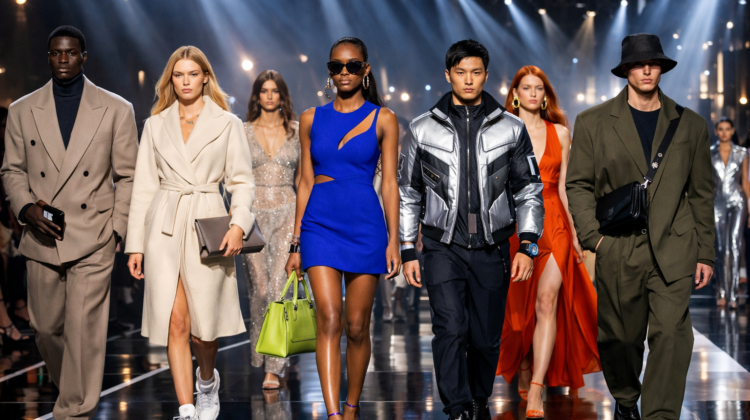
Fashion has always reflected the world around us, but 2026 is shaping up to be one of the most exciting years the industry has seen in a long time. Technology, sustainability, nostalgia, and individuality are blending together to create trends that are both stylish and meaningful. Instead of following rigid fashion rules, people are embracing clothing that expresses their personalities while balancing comfort, innovation, and environmental responsibility.
Walk through any major city, browse social media, or watch international fashion weeks, and you’ll notice one clear message: fashion is becoming more inclusive, smarter, and more creative than ever before. Artificial Intelligence is helping designers create collections, sustainable fabrics are becoming mainstream, and vintage-inspired looks are making a strong comeback with modern twists.
Whether you’re updating your wardrobe, planning your next shopping spree, or simply curious about what’s coming next, understanding the top fashion trends for 2026 can help you stay ahead of the curve. Let’s explore the styles that are expected to dominate runways, streets, workplaces, and social media throughout the year.
1. Quiet Luxury Continues to Dominate
One of the biggest fashion trends entering 2026 is the continued rise of quiet luxury.
Instead of oversized logos and flashy branding, consumers are investing in timeless pieces made from premium materials with exceptional craftsmanship. Neutral colors, elegant tailoring, and minimalist designs define this sophisticated aesthetic.
Why Quiet Luxury Is Growing
People increasingly value quality over quantity.
Rather than purchasing fast fashion items that quickly go out of style, consumers are choosing versatile wardrobe essentials that remain fashionable for years.
This shift also supports sustainable fashion by encouraging longer clothing lifecycles.
2. Smart Fashion Meets Wearable Technology
Technology is becoming part of everyday fashion.
Smart jackets with climate control, fitness-monitoring fabrics, connected accessories, and AI-enhanced personalization are moving from futuristic concepts into real consumer products.
Fashion brands are collaborating with technology companies to create clothing that looks stylish while offering practical functionality.
Fashion Becomes More Interactive
Wearable technology is no longer limited to smartwatches.
In 2026, clothing itself is becoming smarter, providing convenience without sacrificing style.
3. Sustainable Fashion Goes Mainstream
Sustainability is no longer just a trend—it has become a standard expectation.
Consumers increasingly research where clothes are made, what materials are used, and how brands treat workers throughout their supply chains.
Organic cotton, recycled polyester, biodegradable fabrics, plant-based leather alternatives, and circular fashion initiatives continue expanding worldwide.
Many brands now encourage clothing repair, resale, and recycling instead of constant replacement.
4. Oversized Tailoring Returns
Oversized blazers, relaxed trousers, wide-leg pants, and structured coats remain essential wardrobe pieces throughout 2026.
Unlike previous oversized trends, today’s tailoring focuses on balance and elegance rather than simply wearing larger clothing.
Comfort Meets Sophistication
Modern oversized fashion creates polished looks while maintaining exceptional comfort.
This combination makes it suitable for professional settings, casual outings, and travel alike.
5. Bold Colors Replace Minimalism
While neutral tones remain popular, vibrant colors are making a major comeback.
Electric blue, emerald green, sunshine yellow, vibrant orange, cherry red, and rich purple are appearing across fashion collections worldwide.
Designers are encouraging consumers to express confidence through color rather than relying exclusively on monochrome wardrobes.
Color blocking is also returning with modern interpretations.
6. Gender-Neutral Fashion Expands
Fashion continues moving beyond traditional gender categories.
Many brands now design collections intended for everyone rather than separating clothing into men’s and women’s sections.
Loose silhouettes, versatile designs, and universal sizing allow consumers greater freedom in personal expression.
Individual Style Takes Priority
The focus is shifting from gender expectations toward individual creativity.
People increasingly choose clothing based on comfort, confidence, and personality rather than traditional fashion rules.
7. Vintage Fashion with Modern Updates
Fashion history continues inspiring contemporary designers.
The 1990s and early 2000s remain especially influential, with denim, leather jackets, oversized shirts, cargo pants, and retro sneakers returning in refreshed forms.
Rather than exact reproductions, designers combine nostalgic inspiration with modern fabrics and updated tailoring.
Vintage shopping also supports sustainable fashion by extending the lifespan of existing garments.
8. Statement Accessories Become Everyday Essentials
Accessories are becoming the highlight of many outfits.
Oversized sunglasses, sculptural handbags, chunky jewelry, futuristic footwear, colorful scarves, and bold belts allow individuals to personalize otherwise simple clothing.
Even minimalist wardrobes gain unique character through carefully selected accessories.
Personalization Defines Fashion
Consumers increasingly view accessories as reflections of their personalities rather than simply practical additions.
Customization continues driving purchasing decisions.
9. AI-Designed Fashion Collections
Artificial Intelligence is transforming fashion design.
AI assists designers by analyzing consumer preferences, predicting trends, creating digital prototypes, optimizing production, and reducing material waste.
Consumers also benefit from AI-powered virtual fitting rooms, personalized recommendations, and customized shopping experiences.
Technology is making fashion more efficient while enhancing creativity.
10. Comfort Remains the Ultimate Fashion Rule
Perhaps the biggest trend of all is comfort.
Consumers continue choosing clothing that supports busy lifestyles without sacrificing appearance.
Soft fabrics, flexible tailoring, breathable materials, stylish sneakers, and relaxed silhouettes dominate both casual and professional wardrobes.
Fashion Fits Modern Life
People want clothing that works throughout the day.
Modern fashion emphasizes versatility, allowing outfits to transition effortlessly between work, travel, social events, and relaxation.
This practical approach continues shaping fashion innovation.
How Social Media Is Influencing Fashion Trends
Social media platforms continue accelerating trend cycles.
Influencers, digital creators, celebrities, and everyday consumers introduce new styles that spread globally within hours.
Artificial Intelligence further personalizes fashion recommendations based on browsing behavior, shopping preferences, and personal interests.
However, consumers are becoming more selective.
Rather than purchasing every viral trend, many shoppers combine trending pieces with timeless wardrobe staples for greater long-term value.
Fashion Shopping Tips for 2026
Keeping up with fashion doesn’t require replacing your entire wardrobe.
Start by investing in versatile basics that match multiple outfits.
Add carefully selected trend pieces to modernize your look without overspending.
Prioritize quality fabrics, timeless tailoring, and sustainable brands whenever possible.
Building a flexible wardrobe allows you to stay fashionable while making smarter purchasing decisions.
Final Thoughts
Fashion in 2026 is defined by confidence, individuality, comfort, and innovation.
Quiet luxury, sustainable clothing, wearable technology, oversized tailoring, vibrant colors, vintage inspiration, AI-assisted design, gender-neutral collections, statement accessories, and versatile everyday fashion are reshaping how people dress around the world.
Rather than following strict trends, today’s fashion encourages self-expression and thoughtful consumption.
Consumers are choosing clothing that reflects both their personalities and their values, creating wardrobes that balance style, practicality, and sustainability.
As technology and creativity continue evolving together, the future of fashion looks more exciting than ever. Whether your personal style is classic, modern, bold, or minimalist, 2026 offers countless opportunities to experiment while staying true to yourself.
Leave a Reply